
Understanding Newborn Sneezing: What Newborn Professionals Need to Know

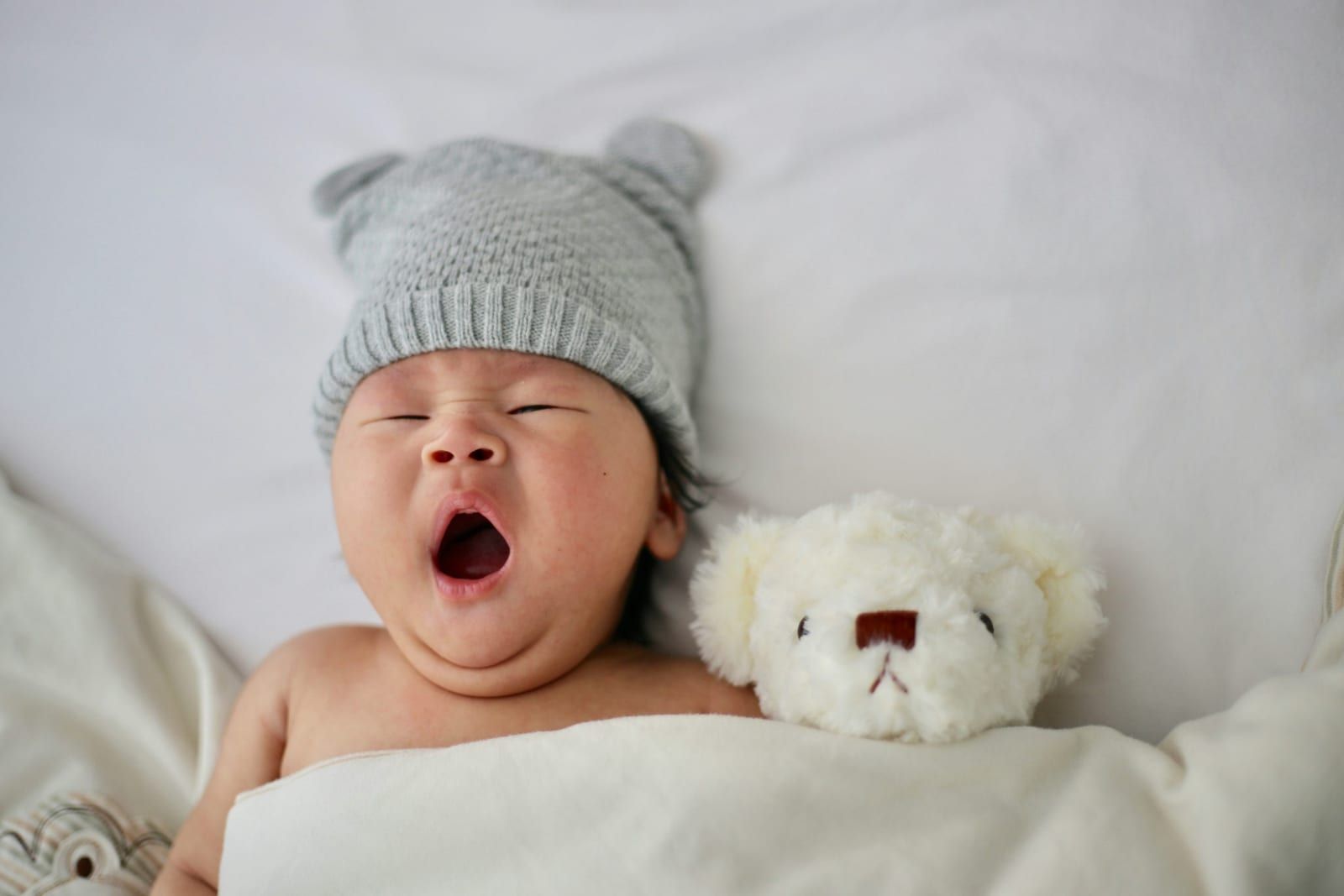
Few things cause new parents to worry faster than hearing their newborn sneeze repeatedly. Families often assume sneezing means their baby is getting sick, developing allergies, or catching a cold. As a result, many newborn professionals find themselves answering questions about sneezing during the first days and weeks of life.
For Newborn Care Specialists, postpartum doulas, nurses, nannies, and infant caregivers, understanding normal newborn respiratory behaviors is an important part of providing evidence-based education and reassurance.
At Newborn Care Solutions, we believe professionals should understand why newborns sneeze, what is considered developmentally normal, and when respiratory symptoms may warrant medical attention.
Sneezing Is One of a Newborn's Natural Protective Reflexes
Just like adults, newborns sneeze to help clear their airways.
However, because newborns have extremely small nasal passages, they often rely on sneezing even more than older children and adults.
According to the American Academy of Pediatrics, newborns commonly sneeze as a normal way of clearing mucus, dust, lint, milk droplets, and other particles from their noses.
Because newborns are primarily nose breathers, keeping those tiny nasal passages clear is especially important.
In many cases, sneezing is actually a sign that the respiratory system is functioning exactly as it should.
Why Newborn Noses Are So Sensitive
A newborn's nasal passages are remarkably small.
Even tiny amounts of:
- Dried mucus
- Dust
- Pet dander
- Fabric fibers
- Breast milk residue
- Formula droplets
can trigger a sneeze.
What might not even be noticeable to an adult can feel significant to a newborn's airway.
Because their respiratory system is still adapting to life outside the womb, newborns often appear much more sensitive to environmental particles than older children.
Life Outside the Womb Is a Big Adjustment
Before birth, babies spend months surrounded by amniotic fluid.
After delivery, the respiratory system must suddenly adapt to:
- Dry air
- Temperature changes
- Household environments
- New smells
- Airborne particles
- Clothing fibers
Sneezing is one way the body responds to these new exposures.
Many newborns sneeze frequently during the first several weeks simply because their respiratory system is learning to navigate a completely different environment.
Sneezing Does Not Usually Mean Allergies
One common misconception is that frequent sneezing indicates seasonal allergies.
True environmental allergies are uncommon in newborns because allergic responses typically require repeated exposure over time.
While allergies can develop later in infancy and childhood, occasional sneezing alone is not usually considered a sign of allergies in a newborn.
Professionals can help reassure families that sneezing, by itself, is generally a normal newborn behavior.
Sneezing and Congestion Often Go Together
Newborns are naturally noisy breathers.
Many healthy infants make sounds such as:
- Snorting
- Snuffling
- Grunting
- Squeaking
- Sneezing
Because their airways are small, even mild nasal congestion can create noticeable sounds.
Parents often assume congestion means illness, but mild congestion and occasional sneezing are frequently part of normal newborn respiratory adaptation.
Observation of the baby's overall condition is far more important than focusing on sneezing alone.
When Sneezing May Be Associated With Illness
While sneezing itself is usually harmless, professionals should understand that it can occasionally occur alongside illness.
Additional symptoms that may warrant medical evaluation include:
- Fever
- Poor feeding
- Difficulty breathing
- Persistent cough
- Lethargy
- Significant nasal discharge
- Reduced wet diapers
- Increased respiratory effort
In these situations, it is the combination of symptoms—not the sneezing itself—that becomes more concerning.
Professionals should encourage families to contact their healthcare provider whenever respiratory symptoms appear significant or concerning.
Why Newborns Are Obligate Nose Breathers
One reason sneezing is so important during early infancy is that newborns primarily breathe through their noses.
This is often referred to as being an "obligate nose breather."
Because of this, maintaining clear nasal passages helps support:
- Feeding
- Sleeping
- Breathing
- Overall comfort
When newborns experience even mild congestion, parents may notice increased fussiness during feeding or sleep.
Sneezing serves as one of the body's natural tools for keeping the airway clear.
The Difference Between Normal Sneezing and Respiratory Distress
Newborn professionals should be able to distinguish between normal respiratory behaviors and signs of respiratory distress.
Normal sneezing may involve:
- Brief episodes
- No color changes
- Normal feeding
- Comfortable breathing
- Normal activity levels
Signs of respiratory distress may include:
- Retractions
- Nasal flaring
- Rapid breathing
- Grunting with every breath
- Blue or gray coloration
- Difficulty feeding
These symptoms require immediate medical evaluation.
Understanding this distinction helps professionals provide reassurance while still recognizing genuine concerns.
Helping Parents Feel More Confident
New parents often worry about every sound their newborn makes.
Because sneezing is so visible and noticeable, it can quickly become a source of anxiety.
Professionals can help families by explaining:
- Why newborns sneeze
- How tiny nasal passages function
- What respiratory behaviors are normal
- Which symptoms require medical attention
Education often transforms worry into confidence.
When parents understand what they are observing, they are more likely to feel reassured and less likely to panic over normal newborn behaviors.
Staying Within Scope of Practice
While newborn professionals frequently observe respiratory patterns, diagnosis remains the responsibility of healthcare providers.
Professionals should focus on:
- Observation
- Parent education
- Recognizing red flags
- Supporting families
- Encouraging medical evaluation when appropriate
Collaborative care helps ensure the safest outcomes for infants.
Why This Topic Matters
Sneezing is one of the most common—and most misunderstood—newborn behaviors.
Understanding the difference between normal airway-clearing reflexes and symptoms that may require further evaluation allows professionals to better support families while promoting evidence-based care.
Final Thoughts
For most newborns, sneezing is simply a normal and healthy reflex that helps keep tiny nasal passages clear.
For Newborn Care Specialists, postpartum doulas, nurses, nannies, and infant caregivers, understanding the physiology behind newborn sneezing can help reduce unnecessary worry, improve parent education, and support more confident caregiving.
At Newborn Care Solutions, we believe ongoing education empowers professionals to provide safer, more informed, and more compassionate newborn care.
If you are looking to deepen your newborn care knowledge, explore our professional training programs at:
https://learning.newborncaresolutions.com
Not sure which educational path is the best fit for your goals? Take our training path quiz here:
Back to the Journal